
Real Estate Nagpur
₹58,000 Cr Farm Waiver: Rural Property Market Impact
By GeoSquare News Desk · Published 2026-11-08
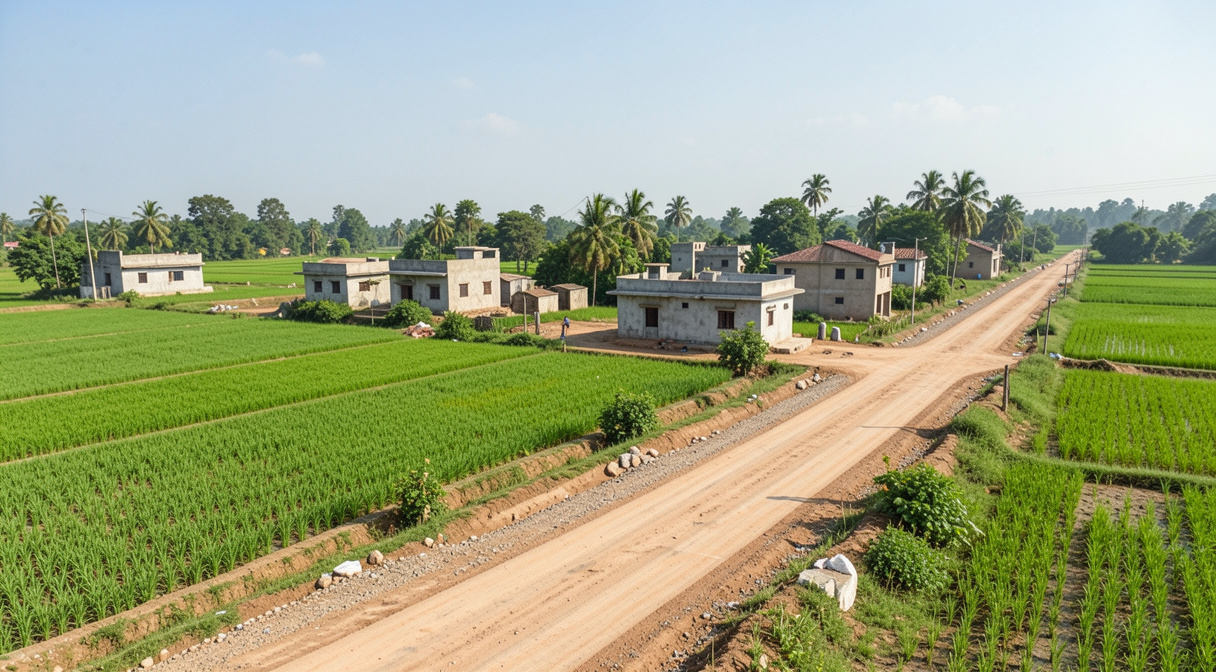
The Maharashtra government's recent decision to waive pending farm electricity bills, amounting to approximately ₹58,000 crore, is a significant move that extends beyond agriculture. Announced during the festive season, this waiver is expected to inject liquidity into rural households, potentially reshaping the real estate landscape in semi-urban and rural belts across the state.
Rural Economy Boost
With farmers relieved of accumulated electricity dues, disposable incomes in rural areas are likely to see a noticeable uptick. This additional cash flow can be channelled into savings, consumption, or investments, including property purchases. Historically, such government interventions have led to increased spending on durable assets, and real estate often emerges as a preferred avenue for rural families looking to upgrade or expand their holdings.
Property Market Implications
The waiver could spur demand for residential plots, farmhouses, and affordable housing in tier-3 towns and villages that are well-connected to urban centres. Areas near upcoming infrastructure projects, such as new highways or industrial corridors, may witness heightened interest from both end-users and investors. Local developers might also accelerate project launches in these regions, anticipating a rise in buyer sentiment. However, the impact will likely be gradual, as the benefits of the waiver filter through the economy over the next few quarters.
Investment Outlook
For investors, this development signals a positive macroeconomic trend for Maharashtra's rural economy. While the direct correlation between farm bill waivers and property prices is not immediate, the long-term growth potential of semi-urban real estate appears promising. Those looking to diversify their portfolios may consider land parcels or affordable housing projects in districts that are witnessing agricultural prosperity and infrastructural development. As always, due diligence on legal titles and local market conditions remains essential.