
Real Estate Mumbai
Mumbai Metro Ridership: Why Station-Area Planning Matters for Property
By GeoSquare News Desk · Published 2026-10-25
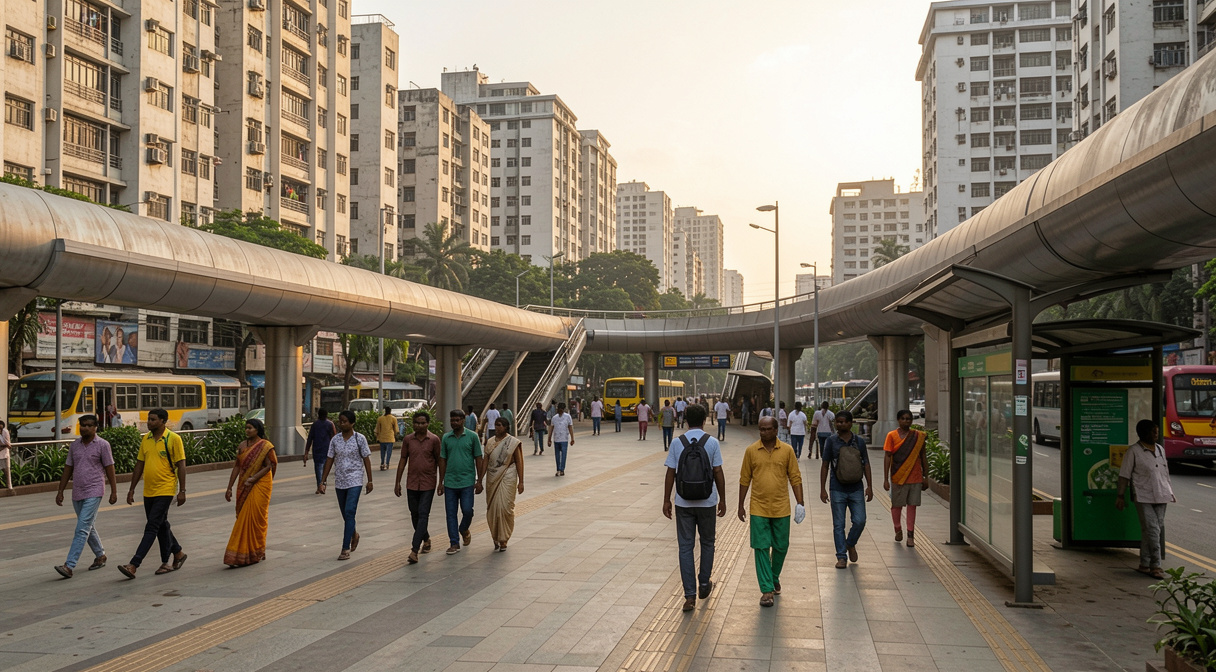
Mumbai Metro's ridership depends not just on new lines but on how well stations connect to surrounding neighbourhoods. Poor station-area planning limits daily usage and, in turn, weakens the real-estate uplift that transit projects are expected to create.
Why Station-Area Planning Matters
When stations lack safe footpaths, cycle stands, feeder bus services and organised parking, commuters find it difficult to reach the network. This makes the metro less convenient than road transport and suppresses ridership. For property buyers, this means a metro station nearby does not automatically guarantee higher demand or rental growth.
Impact on Property Values
Areas with well-planned station precincts tend to see stronger capital appreciation because walkable access, retail activity and mixed-use development make them more liveable. In Mumbai, where land is scarce, transit-oriented development can unlock value around corridors such as the coastal road and metro lines, but only if local authorities coordinate land use, mobility and infrastructure.
What Buyers and Investors Should Watch
Look beyond the distance to a metro station. Check whether the station has multiple entry points, pedestrian connectivity, and approved development plans for the surrounding area. Projects near stations with integrated planning are likely to perform better over the long term than those near isolated stops.
Station-area planning is therefore a governance issue as much as a real-estate or transport issue. Buyers should track municipal development plans, metro authority guidelines and infrastructure spending in the neighbourhood before making a purchase decision.