
Real Estate Mumbai
Mumbai Redevelopment vs Water Infrastructure: A Growing Crunch
By GeoSquare News Desk · Published 2026-10-18
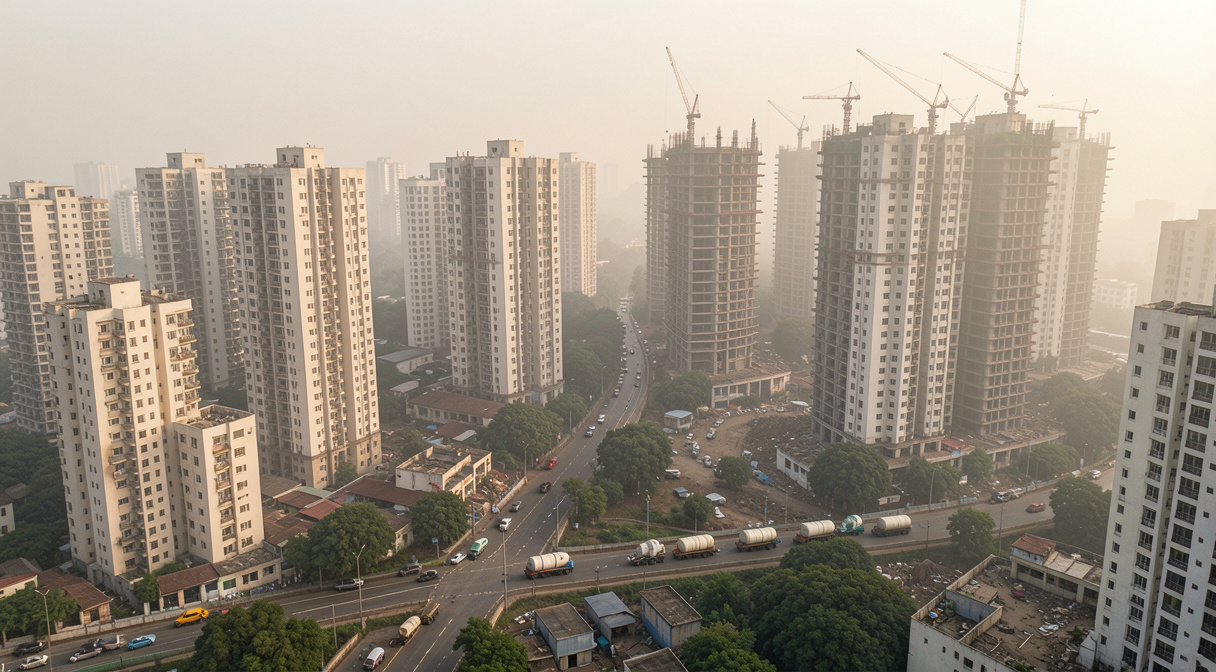
Mumbai's redevelopment engine has been running at full throttle since textile mills began shutting down in the early 1980s. That shift freed large prime-land parcels, triggering a construction surge that reshaped the city’s skyline. But as towers multiply, one critical system is struggling to keep pace: water infrastructure.
How Mill Closures Sparked a Building Boom
Once the mills closed, vast tracts in central Mumbai were repurposed for high-end residential and commercial projects. This unlocked massive value for developers and created a new property market. Yet the civic backbone—especially the water supply network—was designed for an older, lower-density city. The result is a widening gap between new construction and essential utilities.
What It Means for Buyers and Investors
For buyers, the risks are not just about taps running dry. Delayed infrastructure upgrades can affect project completion, occupancy approvals, and long-term livability. Investors should evaluate whether a project has confirmed water allocation from the civic body, on-site storage, recycling systems, and clear infrastructure tie-ups.
Mumbai’s redevelopment story is far from over, but the next phase will depend on how quickly water and other civic infrastructure catch up with the cranes in the sky. For now, due diligence on utilities is as important as checking the floor plan.