
Real Estate Pune
Pune Metro Diwali Ridership Soars, But Property Demand Uneven
By GeoSquare News Desk · Published 2026-11-14
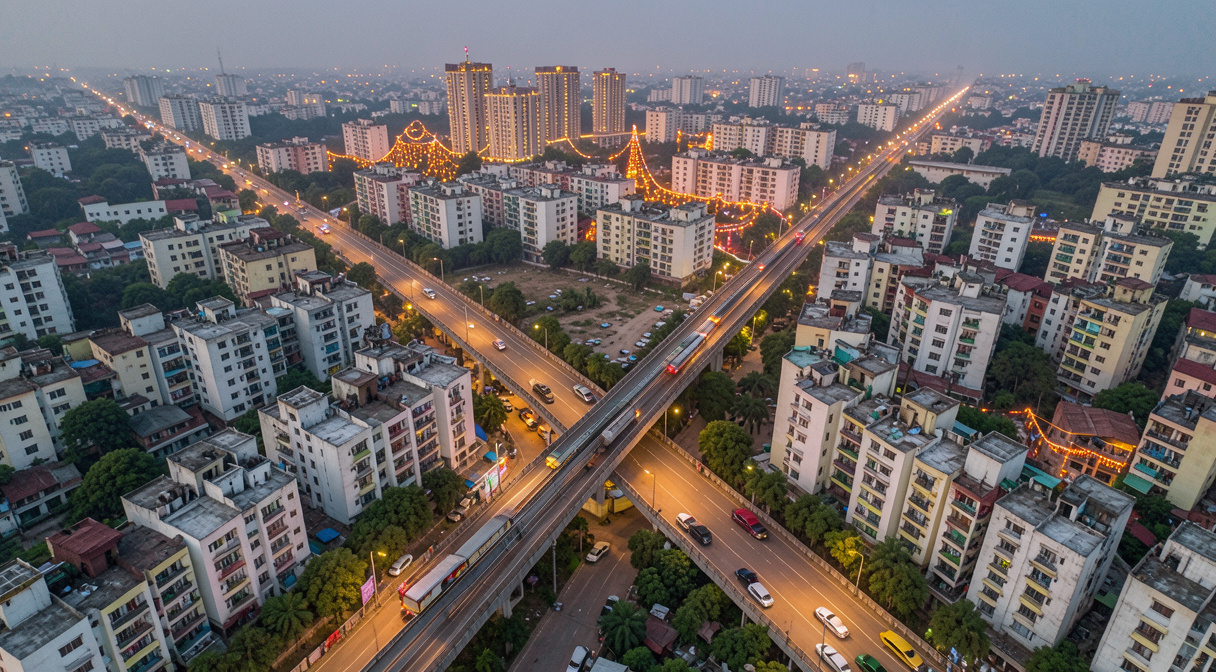
Pune Metro recorded over 12 lakh passenger journeys during the Diwali week, marking a significant uptick in usage. The festive surge reflects growing acceptance of metro as a daily commute option, especially in a city grappling with traffic congestion. However, this ridership spike does not translate uniformly into property demand across all metro-adjacent localities.
Ridership Data vs. Real Estate Response
While the overall numbers are encouraging, demand for residential and commercial spaces near metro stations shows a clear divide. Established corridors like Pimpri-Chinchwad and Vanaz have witnessed steady interest, whereas newer extensions and less-developed stretches report slower absorption. This unevenness suggests that connectivity alone is not the sole driver; factors like social infrastructure, employment hubs, and existing supply also play critical roles.
Implications for Buyers and Investors
For property buyers, the metro's popularity signals long-term appreciation potential in well-connected zones, but caution is advised. Investors should focus on micro-markets with proven rental demand and upcoming commercial activity. Areas with high ridership but limited housing supply may offer better yields, while oversupplied regions could see stagnation despite metro access.
Going forward, Pune's metro expansion will continue to shape urban growth. Buyers are encouraged to assess not just the metro line, but also the surrounding ecosystem—schools, hospitals, retail, and employment—before committing. The Diwali data underscores that metro ridership is a positive indicator, yet a nuanced approach is essential for sound real-estate decisions.