
Real Estate Mumbai
Revised CRZ Norms for SRA Projects to Shrink Mumbai Seafront Supply
By GeoSquare News Desk · Published 2026-10-31
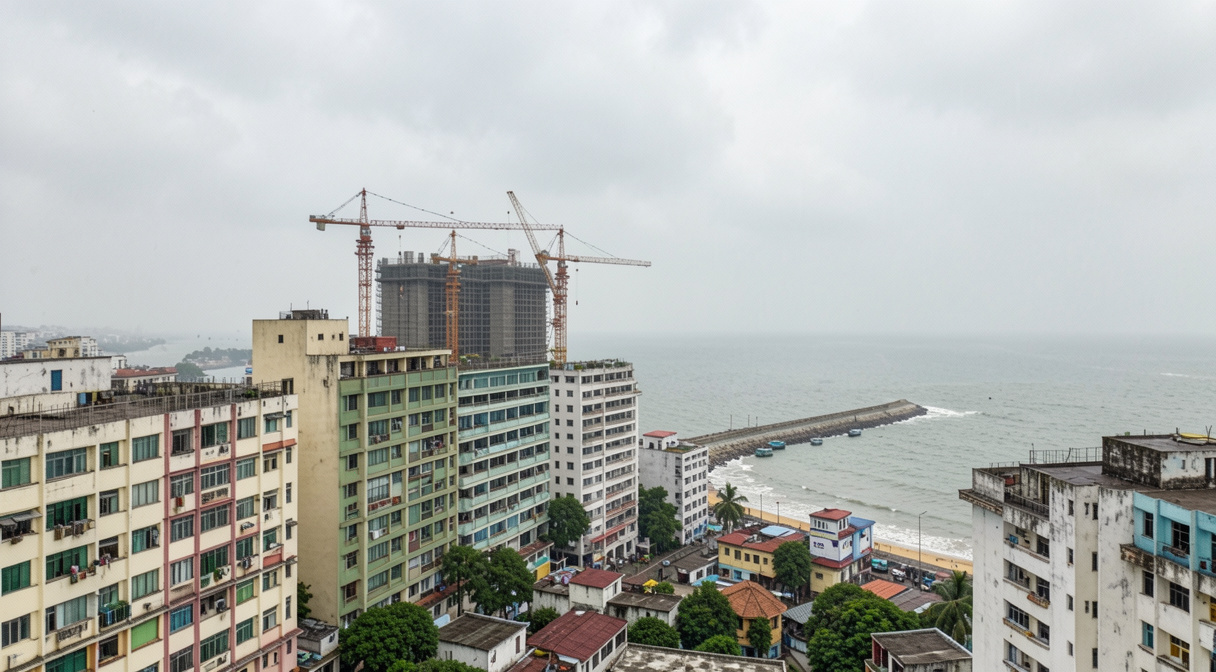
Mumbai's seafront redevelopment landscape is set for a major shift. The revised permissions for Slum Rehabilitation Authority (SRA) projects within the Coastal Regulation Zone (CRZ) are expected to reduce the saleable area in both completed and ongoing sea-facing developments. Builders who had factored in higher floor space index (FSI) under earlier norms now face a tighter regulatory environment, which could erode profit margins and delay project deliveries.
What Has Changed?
The new interpretation of CRZ rules for SRA projects restricts the permissible built-up area along the coastline. This means that several towers already under construction or those that have received occupation certificates may need to reassess their layouts. The reduction in saleable area directly impacts the revenue model of these projects, making them less attractive for developers who had acquired land at premium rates.
Impact on Buyers and Investors
For property buyers, this development could lead to a shortage of new seafront homes in the short to medium term. Existing inventory may see price appreciation due to limited supply, but there is also a risk of project delays as developers rework plans to comply with the revised norms. Investors should exercise caution and verify the CRZ compliance status of any seafront project before committing funds.
The Brihanmumbai Municipal Corporation (BMC), which relies heavily on premium collections from real estate development, may also feel the pinch. A slowdown in seafront redevelopment could reduce the flow of funds into civic infrastructure projects, indirectly affecting the overall real estate ecosystem in Mumbai.
What Should Buyers Do?
If you are considering a seafront property, it is advisable to check the project's approvals and the exact impact of the revised CRZ norms on the carpet area. Legal clarity and developer transparency will be key. For ongoing projects, ask for revised timelines and any changes in the layout. While the long-term demand for coastal living remains strong, the current uncertainty calls for a cautious approach.