
Real Estate Pune
Symbiosis Meet Backs Eco Sanitation for Pune Homes
By GeoSquare News Desk · Published 2026-10-17
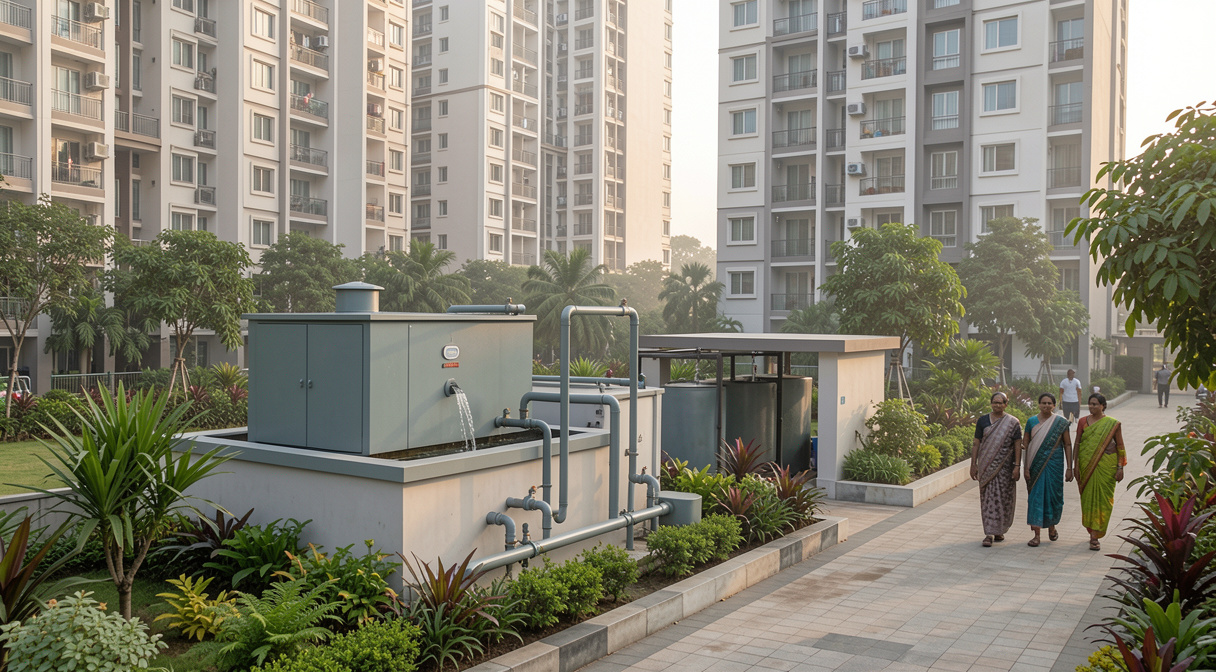
Pune: A two-day international conference hosted by Symbiosis, themed "From Circular Economy to Ecological Sanitation", concluded in Pune with a strong push for sustainable urban water management and the release of a practice guide, Ecosan in Practice.
Why it matters for Pune's housing market
Pune's western and peripheral corridors have expanded on the back of large integrated townships and plotted developments. Water availability, groundwater depletion and sewage capacity remain the single biggest constraint on new supply in areas such as Wagholi, Hinjawadi, Talegaon and the Pune Metropolitan Region fringe.
Developers who can demonstrate reliable non-municipal supply, on-site sewage treatment, reuse for landscaping and flushing, and recharge structures typically command a premium and clear approvals faster — a factor increasingly weighed by buyers and lenders.
Ecological sanitation on project sites
The Ecosan in Practice guide outlines decentralised, closed-loop approaches — including decentralised wastewater treatment systems (DEWATS), greywater recycling, and composting-based toilets — that can be adopted at campus, township and gated-community scale.
For apartment projects, such systems can cut recurring water tanker dependence, which in parts of Pune still costs ₹150–₹250 per tanker, and can bring monthly outgoings down meaningfully over a decade of ownership.
What buyers should check
- Whether the project has its own treated-water line separate from potable supply
- Installed recycling capacity in kilolitres per day versus the total dwelling units
- Rainwater harvesting and borewell recharge provisions in the approved plan
- Ongoing operation and maintenance contract for the treatment plant
Projects in water-stressed talukas around Pune may face stricter consent conditions going forward, making early adoption of these systems a practical safeguard for asset value rather than a marketing add-on.