
Real Estate
Strict Building Rule in Hyderabad: Lessons for Maharashtra Investors
By GeoSquare News Desk · Published 2026-11-09
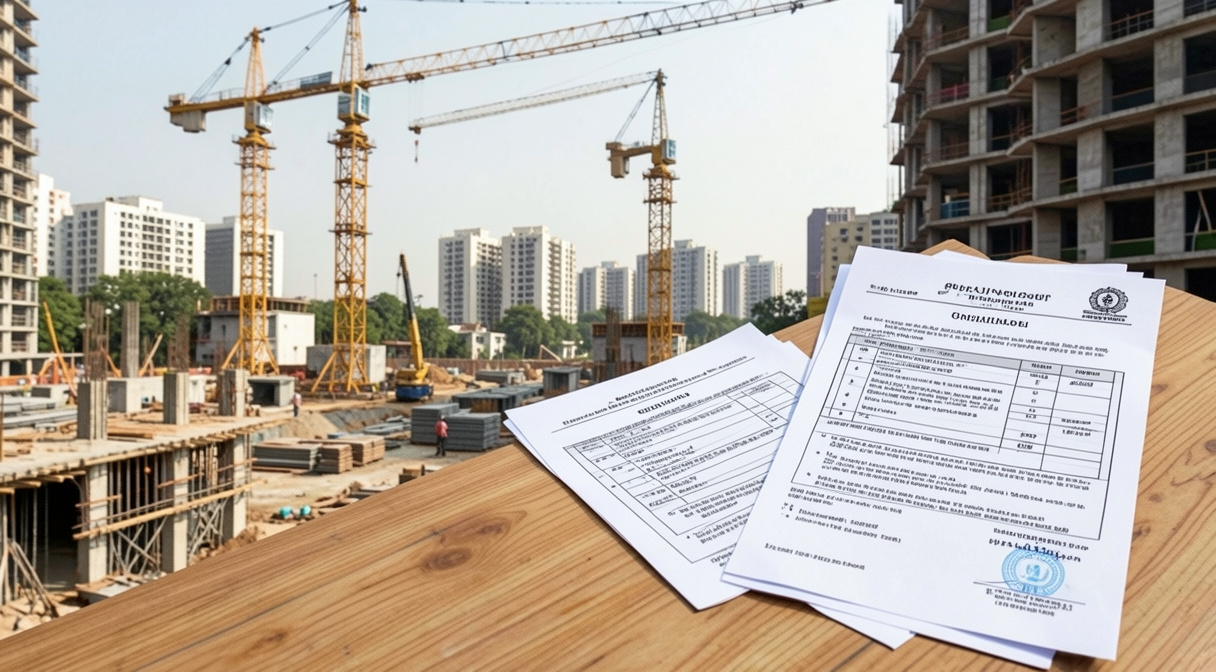
The Hyderabad real estate market is abuzz with discontent as the government tightens enforcement of a 14-year-old building regulation. Developers and residents are irked by the sudden strict application of a rule that had largely been dormant. While this is a local issue, it carries significant implications for property stakeholders across India, including Maharashtra.
The Rule and Its Impact
The regulation pertains to building approvals and compliance with zoning norms, which many projects had historically bypassed. With the new enforcement, several ongoing and completed projects face penalties, re-evaluation, or even demolition in extreme cases. This has stalled construction activity and created uncertainty among buyers who fear delays or legal complications.
Parallels with Maharashtra
Maharashtra, particularly Mumbai and Pune, has its own stringent building laws and a proactive RERA (Real Estate Regulatory Authority). The Hyderabad situation underscores the importance of due diligence for investors. In Maharashtra, projects must adhere to similar compliance standards, and any retrospective enforcement can disrupt the market. Investors should verify that their chosen projects have all necessary approvals and are not under any regulatory cloud.
Market Sentiment and Data
Analysts note that strict enforcement often leads to short-term slowdowns but improves long-term transparency. For Maharashtra, this could mean a temporary dip in buyer confidence if similar actions are taken. However, it also filters out non-compliant developers, benefiting genuine investors. The key is to stay updated on policy changes and choose projects with clear titles and approvals.
What Investors Should Do
For Maharashtra property buyers, the takeaway is clear: always check the legal status of a project, including building approvals and RERA registration. Consult legal experts before investing, and be wary of projects offering steep discounts, as they may have compliance issues. The Hyderabad episode serves as a reminder that regulatory risks can materialise anytime, affecting both timelines and returns.