
Mumbai's Office Boom Ties Suburban Housing to GCC Hires
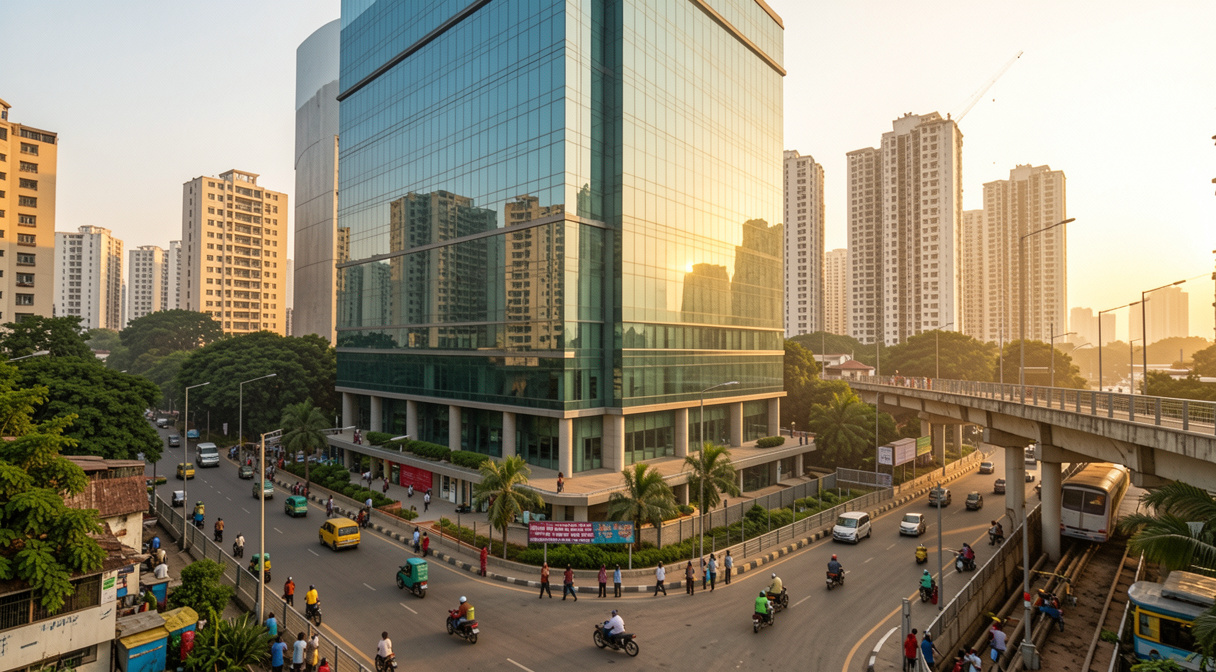
GCCs are snapping up Mumbai's best office space, and their hiring sprees are now fuelling demand for homes in connected suburbs like Powai and Thane.
Key points at a glance
- •🏢 GCCs are the primary drivers of Grade-A office demand in Mumbai.
- •📈 Pre-leasing activity signals strong absorption for new commercial supply.
- •🏠 Office employment is creating a direct knock-on effect for suburban housing.
- •📍 Suburban corridors near new office hubs see heightened buyer interest.
- •💰 Corporate leasing budgets are the new benchmark for real estate values.
Office Demand
Global Capability Centres (GCCs) continue to drive the absorption of Grade-A office space and fit-outs across major Indian metros, including Mumbai.
Key Corridors
Suburban areas connected to major office hubs like BKC, Powai, and Navi Mumbai are experiencing a surge in housing demand from new employees.
Market Signal
Pre-leasing momentum for upcoming commercial projects confirms that absorption is directly tied to ongoing GCC hiring plans.
Want more detail?
What actually happened?
Global Capability Centres (GCCs) are the main force behind the leasing of top-tier commercial office space in India's Tier-1 cities.
This sustained corporate demand is not just filling offices; it's creating a direct pipeline of employment that influences where people want to live.
New workplace deliveries are being matched by pre-leasing commitments, showing the market's confidence in continued expansion.
What it means for Mumbai buyers
For property buyers and investors, this trend highlights the critical link between commercial real estate health and residential potential.
Areas in the direct commute path of new office clusters—like Powai, Thane, and parts of Navi Mumbai—are seeing increased traction from end-users working in GCCs.
This employment-driven demand can offer more stable price appreciation compared to purely speculative investment corridors.
- Focus on residential projects within a 30-45 minute commute of major office hubs like BKC, Powai, and Andheri.
- Track GCC expansion announcements to predict which suburban micro-markets will see the next wave of demand.
- Properties with good connectivity to upcoming metro lines serving these corridors may offer better liquidity.
What to watch next
The key metric to watch is the continued pace of GCC hiring and their pre-leasing commitments for new Grade-A supply scheduled for 2025-26.
Any slowdown in corporate tech spending could directly impact office absorption rates and, consequently, the residential demand in adjacent suburbs.
Municipal infrastructure projects, like metro extensions connecting these office hubs to wider residential areas, will determine how far the housing demand wave can spread.
More stories for you
Real Estate India
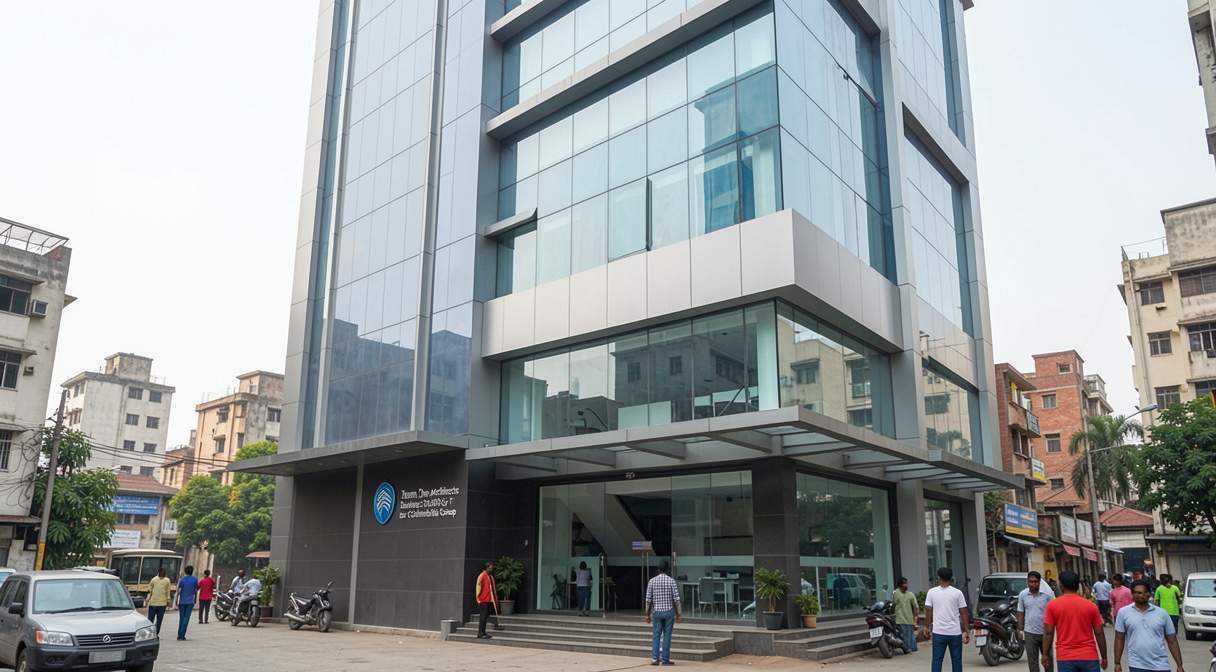
Team One Architects Delivers 20,000 Sq Ft Workspace for Columbia Group in India

Real Estate India
Nehlia Developers Names Krishan Kaushik as Sales & Marketing Head
Real Estate Nashik
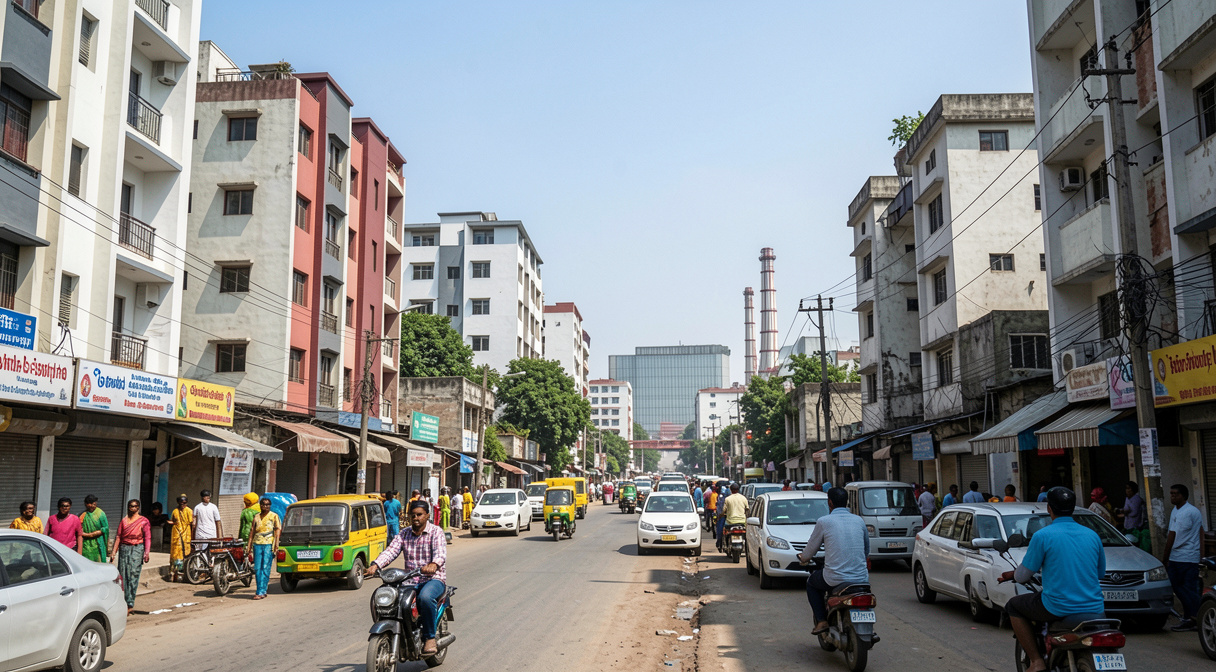
Nashik's Ambad-Satpur Belt: Still Driving Mid-Home Demand
Real Estate Maharashtra
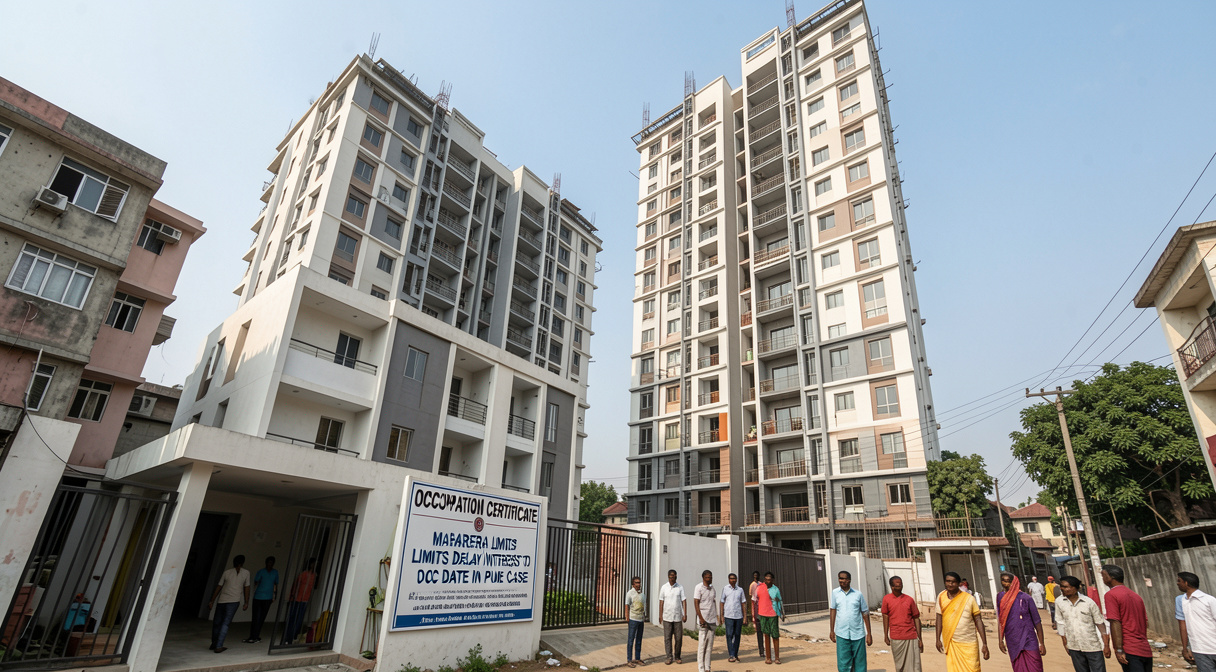
MahaRERA Limits Delay Interest to OC Date in Pune Case
Real Estate Nashik
Nashik Property Registrations Get 3 New Offices: Faster Closings Ahead
Real Estate Navi Mumbai
