
Real Estate Pune
Stock Market Crash: Why Maharashtra Real Estate Remains a Safe Bet?
By GeoSquare News Desk · Published 2026-11-20
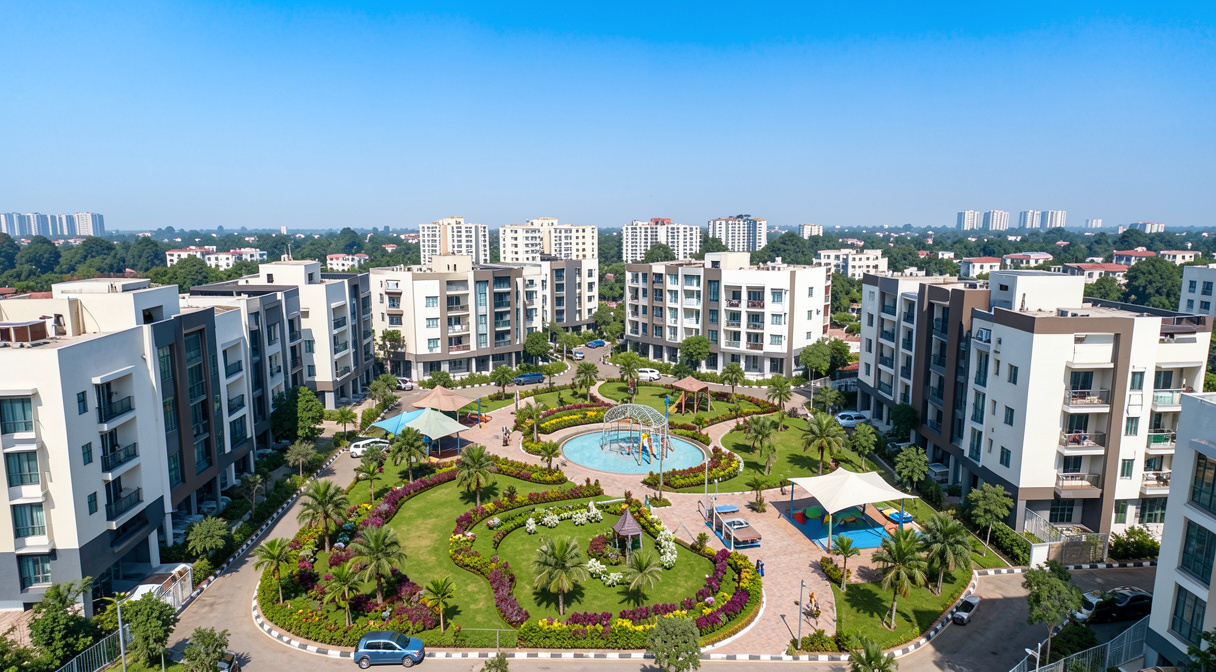
Asian stock markets took a severe beating this week, with South Korea's KOSPI plunging 4.7% and Japan's Nikkei tumbling 4.8% amid a deepening selloff in technology and AI stocks. Even the much-hyped IPO of Anthropic, valued at $81 billion, failed to lift sentiment. For Maharashtra's property buyers and investors, however, this volatility is not a cause for panic. In fact, it may be a signal to look at real estate as a stable alternative.
Historically, property in Maharashtra has been a hedge against market turbulence. While equity markets swing wildly, land and buildings have shown steady appreciation over the long term. Cities like Pune and Mumbai have witnessed consistent demand for residential and commercial spaces, driven by infrastructure development and a growing workforce. The current crash could accelerate the shift from stocks to tangible assets.
NRI Investors and the Safe Haven Effect
Non-resident Indians (NRIs) are particularly active in Maharashtra's real estate market. With global markets in turmoil, many are reconsidering their portfolio allocation. Property offers a sense of security that paper assets lack. The rupee's recent fluctuation also makes Indian real estate an attractive investment for NRIs looking to diversify. This trend is already visible in recent transactions in premium localities.
What This Means for End-Users
For those planning to buy a home, the current climate offers a window of opportunity. Developers are keen to maintain sales momentum and are offering flexible payment plans and discounts. However, experts advise caution: always check RERA approvals and project track records before signing. The market may not be at a bottom, but the long-term fundamentals of Maharashtra's real estate remain strong, backed by metro expansions, coastal roads, and smart city initiatives.
In conclusion, while stock markets are unpredictable, property in Maharashtra has historically weathered such storms. For investors with a long-term view, this could be a prudent time to enter or expand their real estate footprint.