
Real Estate Mumbai
Delhi-Mumbai Expressway Corridor: Road Safety Scrutiny After Kota Tragedy
By GeoSquare News Desk · Published 2026-10-17
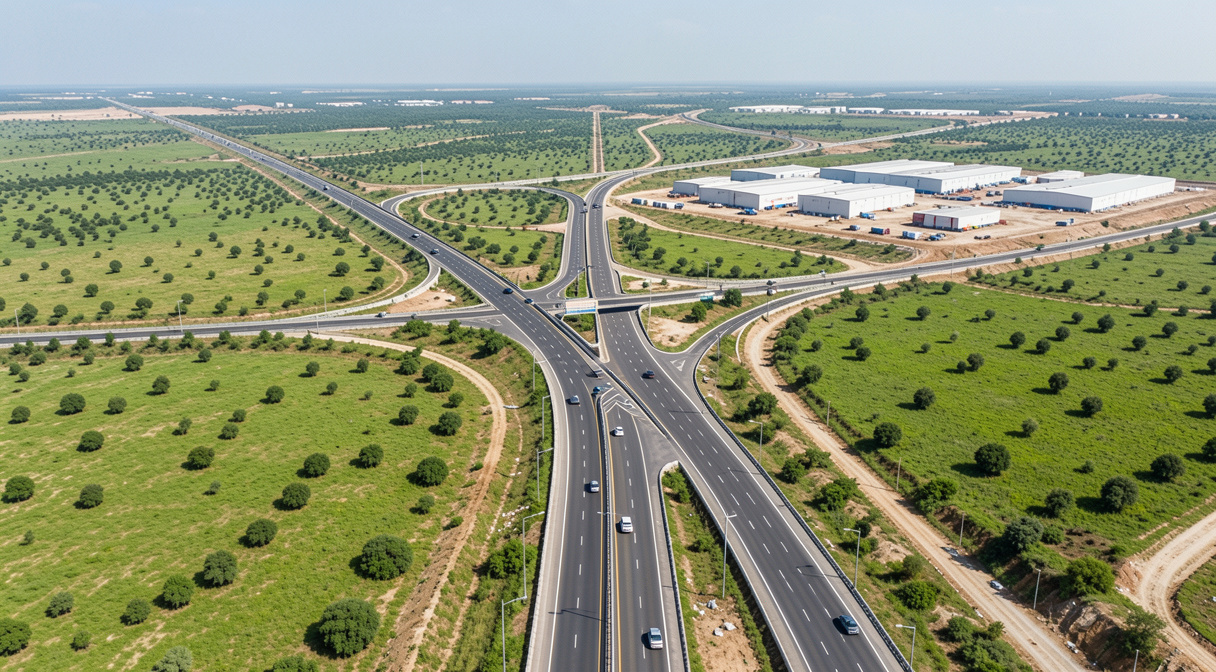
An expressway corridor connecting Delhi to Mumbai, one of India's most significant infrastructure spines, is back in focus after a bus carrying pilgrims overturned near Kota in Rajasthan, leaving eight people dead and several injured. The incident has again raised questions about driver fatigue, lane discipline and emergency response along high-speed access-controlled highways.
Why the corridor matters to Maharashtra
The Delhi-Mumbai Expressway is central to freight movement into and out of Maharashtra, cutting travel times for goods bound for Navi Mumbai's JNPT port, the Mumbai-Pune belt and logistics parks along the route. Faster, safer movement of traffic is directly tied to warehouse absorption, industrial land pricing in districts such as Palghar, Nashik and Dhule, and last-mile connectivity for developers marketing highway-adjacent townships.
Safety upgrades on the drawing board
Highway authorities have periodically emphasised rumble strips, illuminated signage, emergency call boxes, rest bays and stricter enforcement of speed limits on long-distance corridors. For property buyers evaluating plotted developments, weekend villa projects and logistics parks along such expressways, access quality and safety infrastructure increasingly form part of the value proposition alongside travel-time gains.
What buyers and investors should note
Projects positioned on highway corridors typically price in connectivity premiums measured in lakh and crore per acre in industrial zones. Any sustained improvement in road safety and travel reliability tends to support long-term land appreciation, while repeated incidents can slow the pace of institutional investment in roadside logistics and hospitality assets.