
ITAT Mumbai Quashes ₹8 Cr Tax Notice On Tenant Compensation
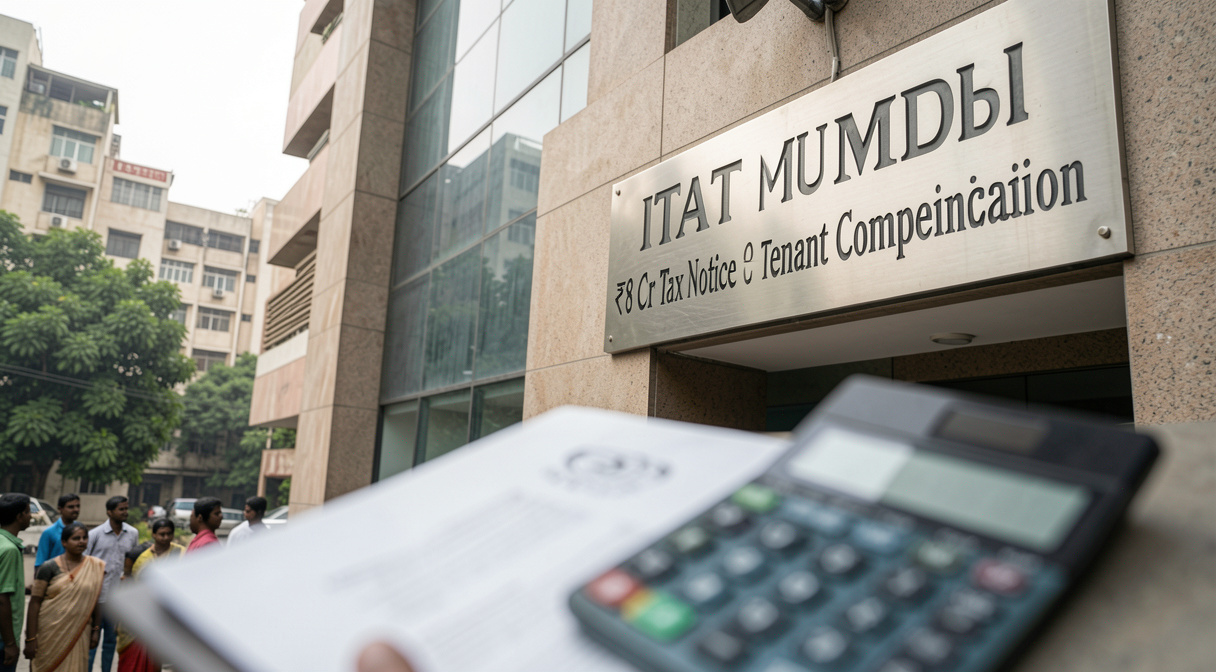
The Income Tax Appellate Tribunal (Mumbai) has rejected the department's claim of a 'contingent liability' on a developer. This ruling clarifies tax treatment for tenant relocation payouts in redevelopment projects.
Key points at a glance
- •ITAT Mumbai cancels ₹8+ crore income tax notice for a developer.
- •Tax dept claimed 'contingent liability' on compensation paid to vacate tenants.
- •Developer obligated to pay tenants to get 56 occupants vacated.
- •Ruling says compensation was a direct expense, not a future liability.
- •Key verdict for Maharashtra's redevelopment and tenant relocation deals.
Tribunal Verdict
The ITAT Mumbai bench set aside the income-tax notice. The tax department's claim of a contingent liability on the compensation amount was rejected.
Amount Involved
The disputed compensation amount was over ₹8 crore. This was paid by the assessee (developer) to tenants for vacating a property.
Location
The case pertains to a property in Mumbai occupied by 56 tenants. The developer had an obligation to pay them to get the property vacated.
Want more detail?
What actually happened?
The Income Tax department had served a notice on a Mumbai-based developer for over ₹8 crore. They argued the compensation paid to vacate 56 tenants was a 'contingent liability'—a potential future cost—while assessing the developer's income.
The ITAT Mumbai bench overturned this. It ruled the compensation was a direct, incurred business expense for the redevelopment project, not a liability contingent on a future event.
What it means for buyers
For property buyers and investors in Maharashtra, especially in redevelopment projects, this verdict provides clarity. It confirms that costs developers pay upfront to vacate tenants are valid, deductible expenses when calculating profit.
This could make redevelopment project financials more transparent and predictable. It may prevent tax authorities from making surprise claims on money already spent to secure a property for redevelopment.
What to watch next
This ruling may be cited in future disputes concerning tenant compensation in redevelopment deals across Maharashtra. Buyers should watch for changes in how developers project their tax liabilities.
It could influence negotiations in tenant relocation agreements. The clear classification of such payouts as business expenses might affect project cost structures.
More stories for you

Real Estate
Pimpri Flat Tragedy: Deadly Fumes Expose Ventilation Risks

Real Estate
Mumbai's July Property Registrations Hit 14-Year High; Stamp Duty Crosses ₹1,200 Crore

Real Estate
ED Attaches ₹2 Bn in Properties Over IDFC Bank Fund Diversion

Real Estate
BMC Warns Of Vigilance Probe Over Mumbai Civic Contract Splitting

Real Estate
Khadakwasla Dam Floods Pune: How Low-Lying Areas Face Risk

Real Estate
Mumbai's July Property Boom: 14-Year High in Registrations & Stamp Duty

Real Estate
Blackstone REIT Plunge: What It Means For Mumbai Realty Investors

Investment
