
Mumbai's July Property Registrations Hit 14-Year High; Stamp Duty Crosses ₹1,200 Crore
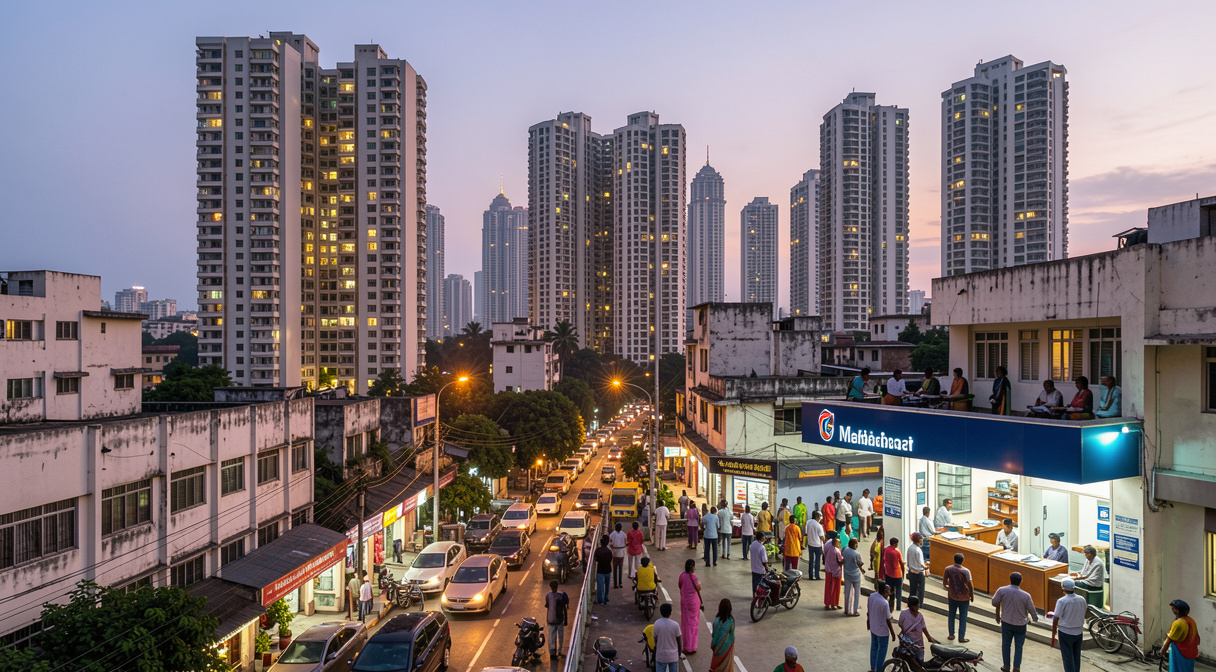
Mumbai's property market is firing on all cylinders, with July registrations hitting a 14-year peak. This surge signals strong buyer confidence and a robust revenue stream for the state.
Key points at a glance
- •📈 Mumbai saw 13,617 property registrations in July 2026, the highest July figure in 14 years.
- •💰 Stamp duty revenue for the month crossed a massive ₹1,200 crore.
- •🏗️ The data indicates sustained demand, especially in the mid-to-premium segments.
- •📊 This is a significant jump from previous July figures, showing strong market momentum.
- •🏙️ Key drivers include infrastructure projects and buyer sentiment.
Registration Surge
Mumbai logged 13,617 property registrations in July 2026, marking the highest volume for the month since 2012.
Revenue Milestone
The registration activity generated over ₹1,200 crore in stamp duty revenue for the Maharashtra government in a single month.
Market Signal
The peak indicates strong underlying demand and buyer confidence, likely supported by stable economic conditions and infrastructure growth.
Want more detail?
What actually happened?
Mumbai's property registration offices reported a significant surge in activity for July 2026. The city recorded 13,617 property registrations, which is the highest number for the month of July in the last 14 years.
This wave of registrations translated into substantial revenue for the state, with stamp duty collections alone exceeding ₹1,200 crore for the month.
What it means for buyers
For potential homebuyers, this surge confirms Mumbai's real estate market is on an upswing, which could mean less room for price negotiations. The strong demand, particularly in the ready-to-move and under-construction segments, is a clear indicator of market health.
Investors should note that sustained high registration numbers point to stable asset values and potential for rental yield growth in key micro-markets across the city.
What to watch next
The key question is whether this momentum can be sustained through the traditionally strong festive season months of August to October. Watch for new project launches and pricing trends, especially in suburban corridors.
Any changes in state stamp duty policies or RERA implementation will be crucial to monitor, as they directly impact buyer costs and project delivery timelines.
More stories for you
Real Estate
ED Attaches ₹2 Bn in Properties Over IDFC Bank Fund Diversion
Real Estate
BMC Warns Of Vigilance Probe Over Mumbai Civic Contract Splitting
Real Estate
Khadakwasla Dam Floods Pune: How Low-Lying Areas Face Risk
Real Estate
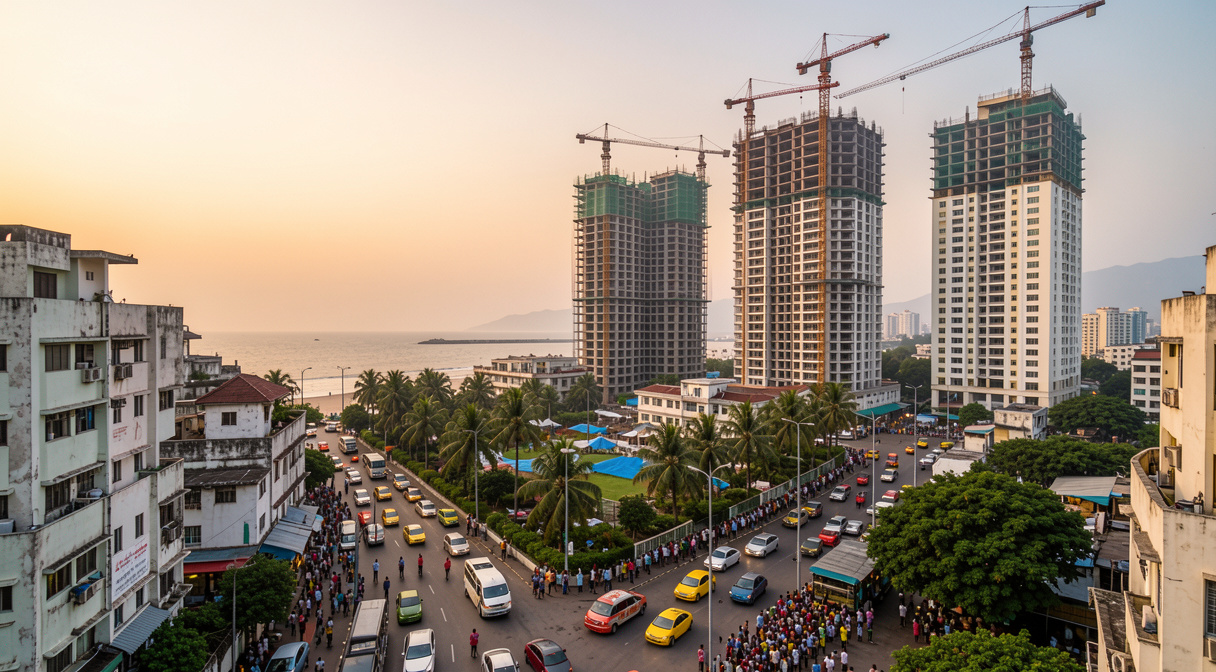
Mumbai's July Property Boom: 14-Year High in Registrations & Stamp Duty
Real Estate
Blackstone REIT Plunge: What It Means For Mumbai Realty Investors
Real Estate
Maharashtra PMAY 2.0: 4.21 Lakh Buyers Register
Real Estate
Bhiwandi Building Collapse: CM Orders FIR, RERA Steps In
Real Estate
