
Real Estate Mumbai
Mumbai AQI Gaps: What Property Buyers Must Know
By GeoSquare News Desk · Published 2026-10-27
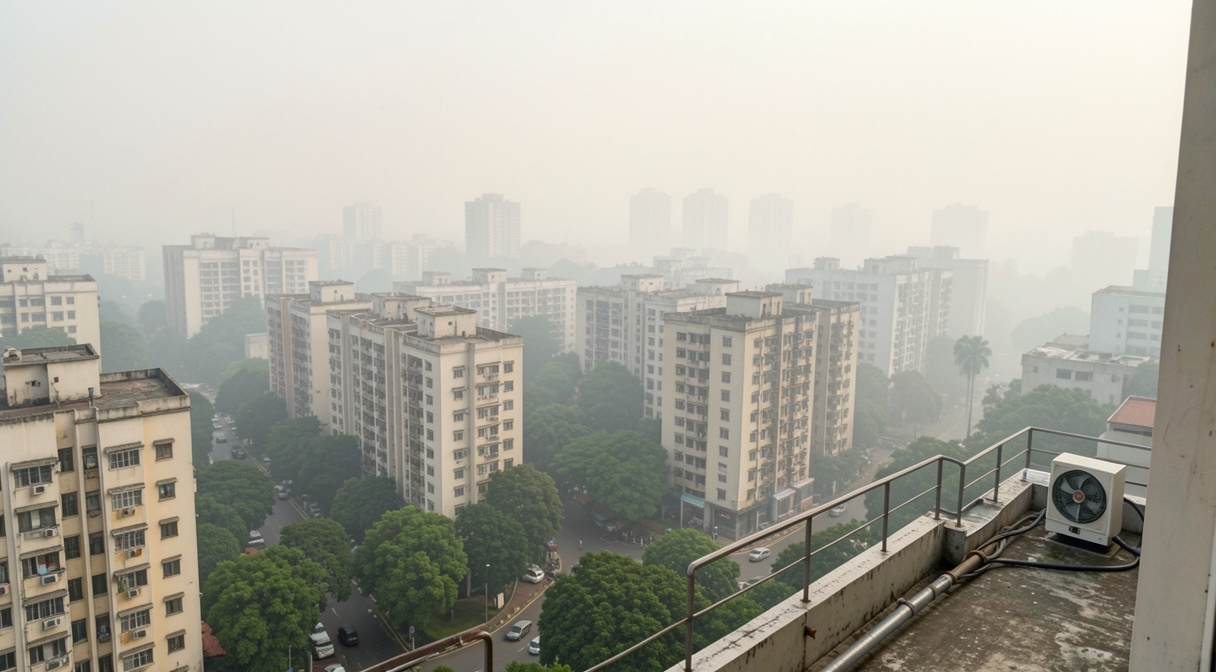
Mumbai, Navi Mumbai and Thane function as one connected metropolitan region, yet their air quality readings often tell very different stories. For property buyers, this gap in AQI data is not just a health concern — it can influence long-term investment value, rental demand and everyday livability.
Why AQI Readings Differ Across the Region
Official monitoring stations are sparse relative to the population, and readings depend heavily on where the sensors are placed. A station near a highway or industrial belt will show higher pollution than one in a coastal or green residential pocket. Local weather, sea breeze and construction activity also create micro-climates that skew data within short distances.
Impact on Property Decisions
Homebuyers are increasingly factoring air quality into their searches. Apartments in areas with consistently better AQI tend to command a premium, especially among families with children or elderly members. Developers in cleaner corridors are marketing ventilation design, open green spaces and air-filtration systems as key selling points, while resale values in high-pollution zones may stagnate.
What Buyers Should Check Before Investing
Do not rely on a single city-wide AQI number. Instead, study readings from the nearest monitoring station over several months, note seasonal spikes and check for proximity to major roads, factories or construction sites. Visit the property at different times of day to assess real-world conditions. For investors, comparing AQI trends across micro-markets in Mumbai, Navi Mumbai and Thane can reveal emerging residential corridors that offer cleaner air and better appreciation potential.