
Mumbai Property Registrations Jump 8% in July 2026 – Record Stamp Duty
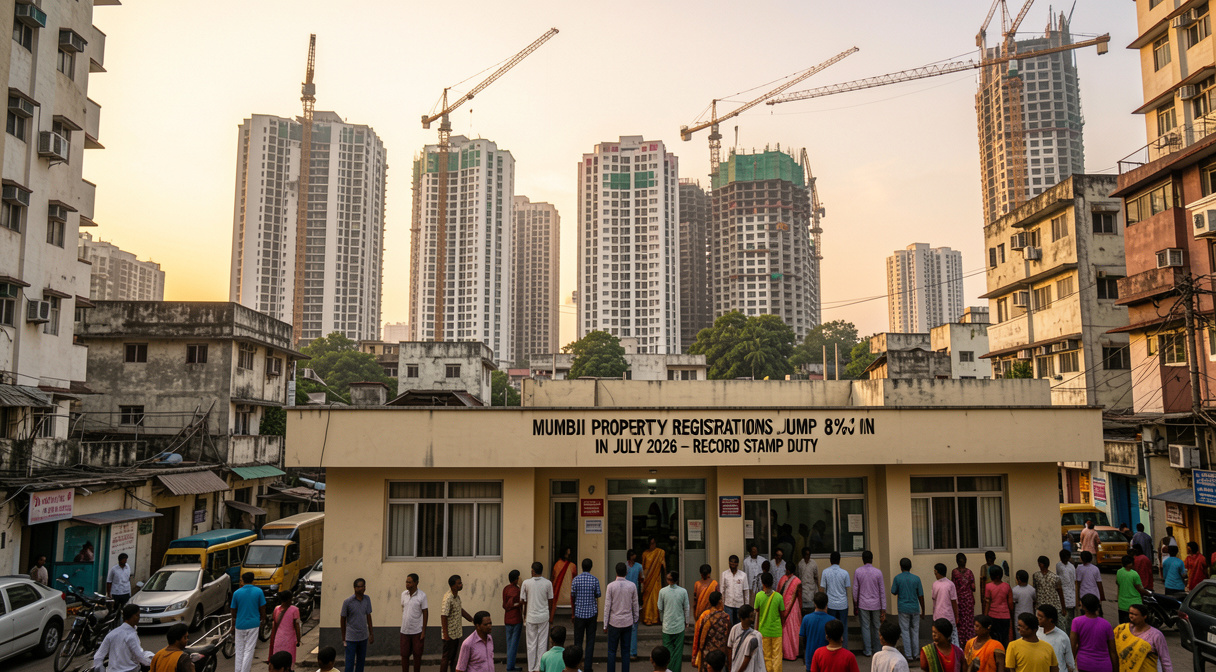
Mumbai’s property market is sizzling – registrations rose 8% in July, and stamp duty hits a 14-year high. Buyers are active, and the state is reaping revenue rewards.
Key points at a glance
- •📈 Property registrations in Mumbai increased by 8% in July 2026.
- •💰 Stamp duty collections reached ₹1,223 crore, up 8.9% year-on-year.
- •🏛️ Highest monthly revenue in 14 years for Maharashtra government.
- •🏠 Strong demand signals a robust residential real estate market.
- •📊 Year-on-year growth points to sustained recovery in Mumbai.
Registration Surge
In July 2026, Mumbai saw an 8% increase in property registrations compared to the previous year. This boost reflects heightened buyer activity in the residential market, indicating confidence.
Location Focus
The data covers Mumbai city-wide, with activity across localities like suburbs and central areas. High registrations suggest strong transactions in key real estate hubs within Maharashtra’s capital.
Revenue Impact
The Maharashtra government collected ₹1,223 crore in stamp duty, an 8.9% YoY increase. This revenue could fund infrastructure projects, potentially lifting property values over time.
Want more detail?
What actually happened?
Mumbai property registrations jumped 8% in July 2026, hitting new highs. The Maharashtra government raked in ₹1,223 crore from stamp duty, an 8.9% year-on-year increase. This revenue figure is the highest in 14 years, signaling a hot market.
What it means for buyers
The surge in registrations shows strong buyer demand and confidence in Mumbai’s real estate. Higher stamp duty collections may lead to more infrastructure spending, which could boost property values. However, it might also hint at rising prices, so buyers should plan carefully.
What to watch next
Watch how the monsoon affects construction timelines and sales in coming months. Keep an eye on RERA approvals for new projects, as they will shape supply and pricing. Also, monitor any government announcements on stamp duty rates or housing policies.
More stories for you
Real Estate Mumbai
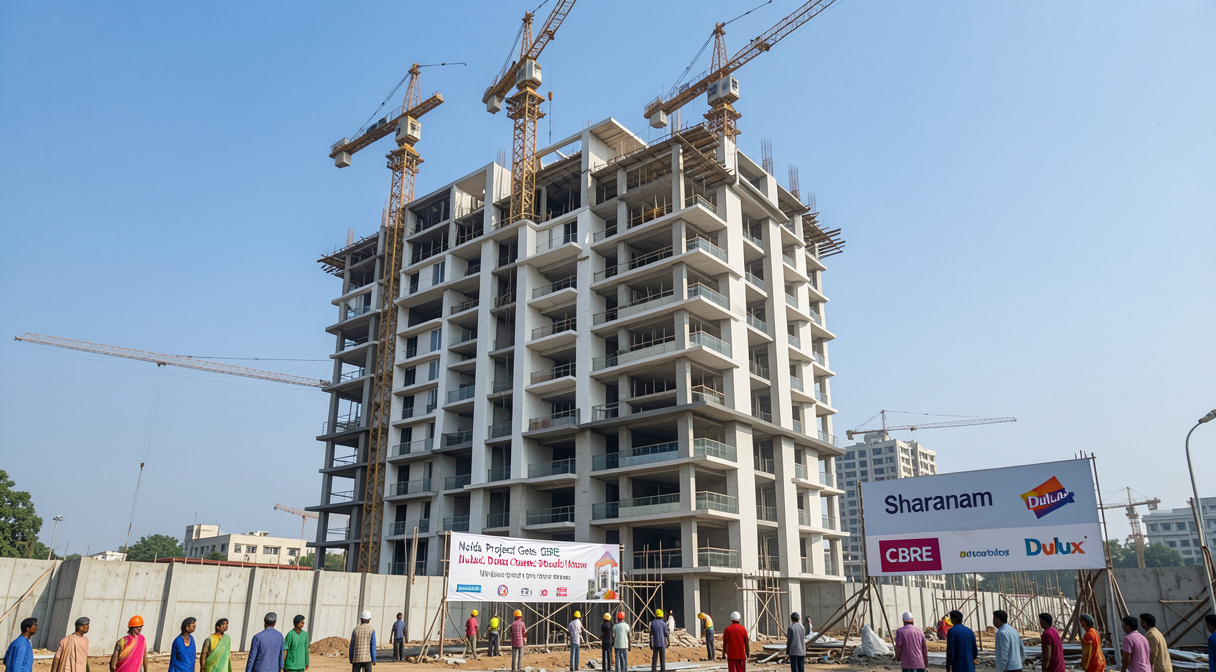
Noida Project Gets CBRE, Dulux Onboard: What Buyers Should Know
Real Estate Mumbai
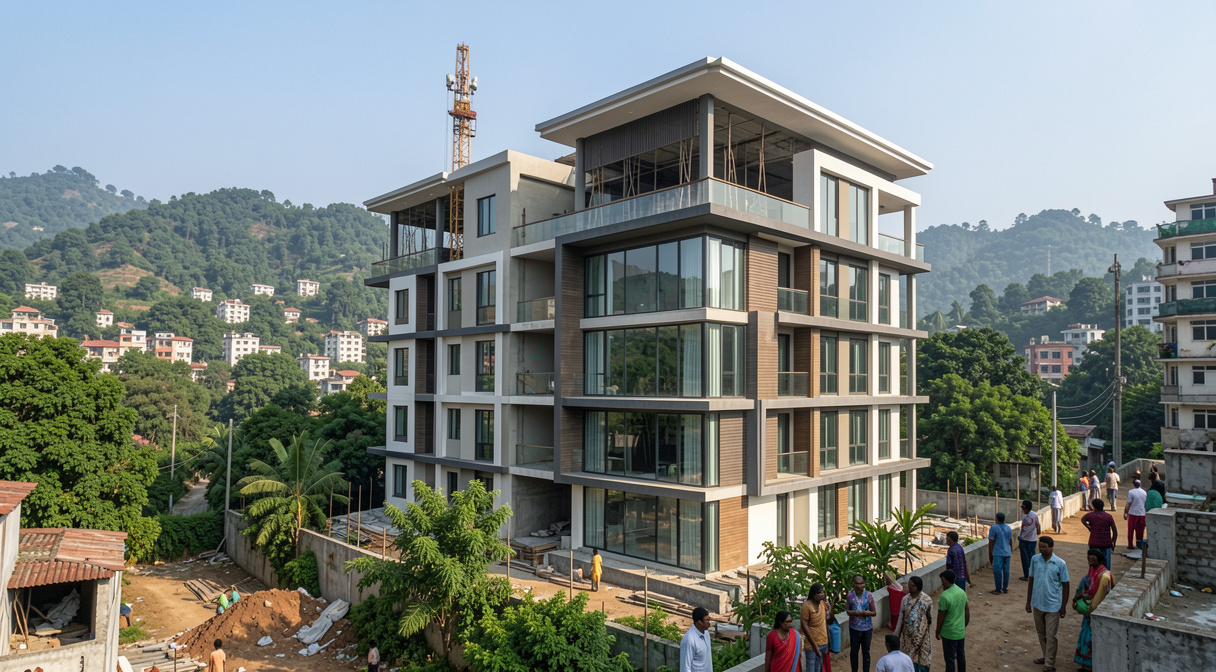
Karjat's 'The Morning Star' by Mahadev Realty: Luxury Redefined
Real Estate Mumbai
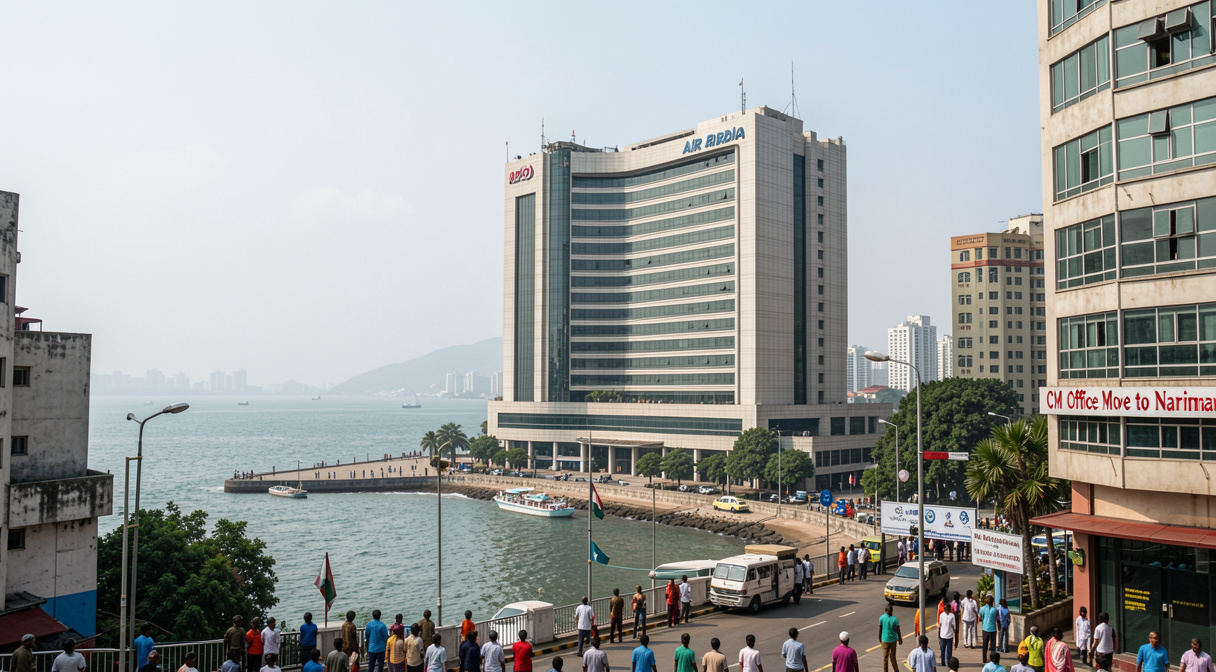
CM Office Move to Nariman Point: What It Means for Mumbai Real Estate
Real Estate Mumbai
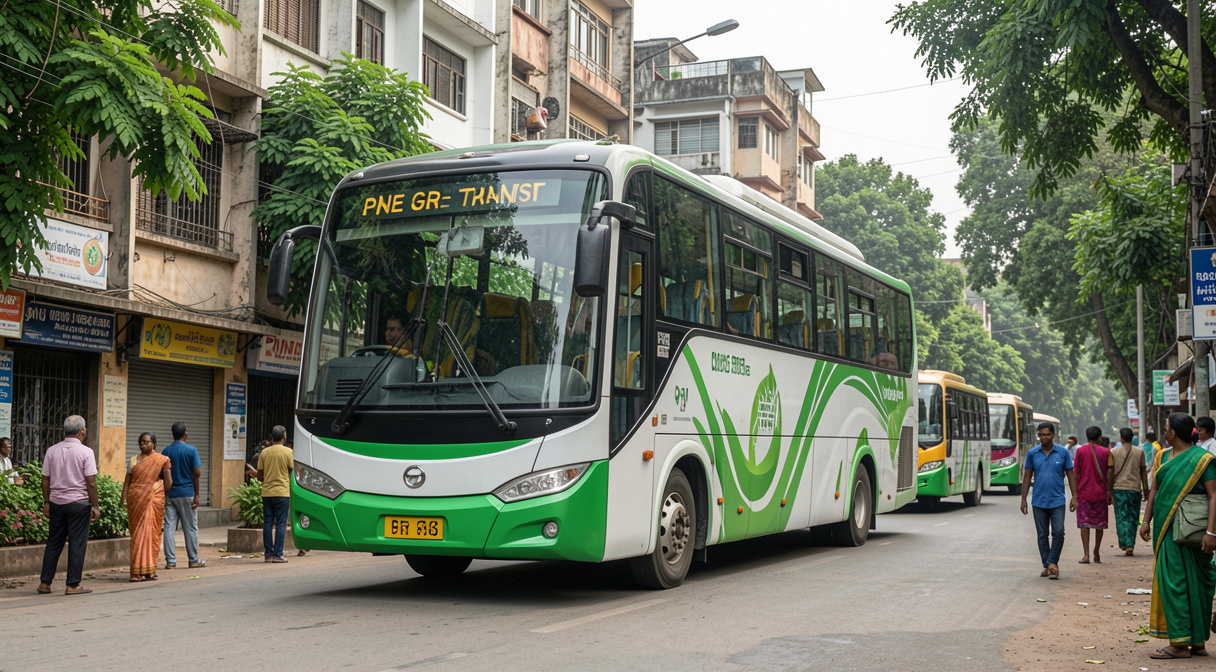
Pune's Green Transit: Cleaner Buses to Lift Property Values?
Real Estate Mumbai
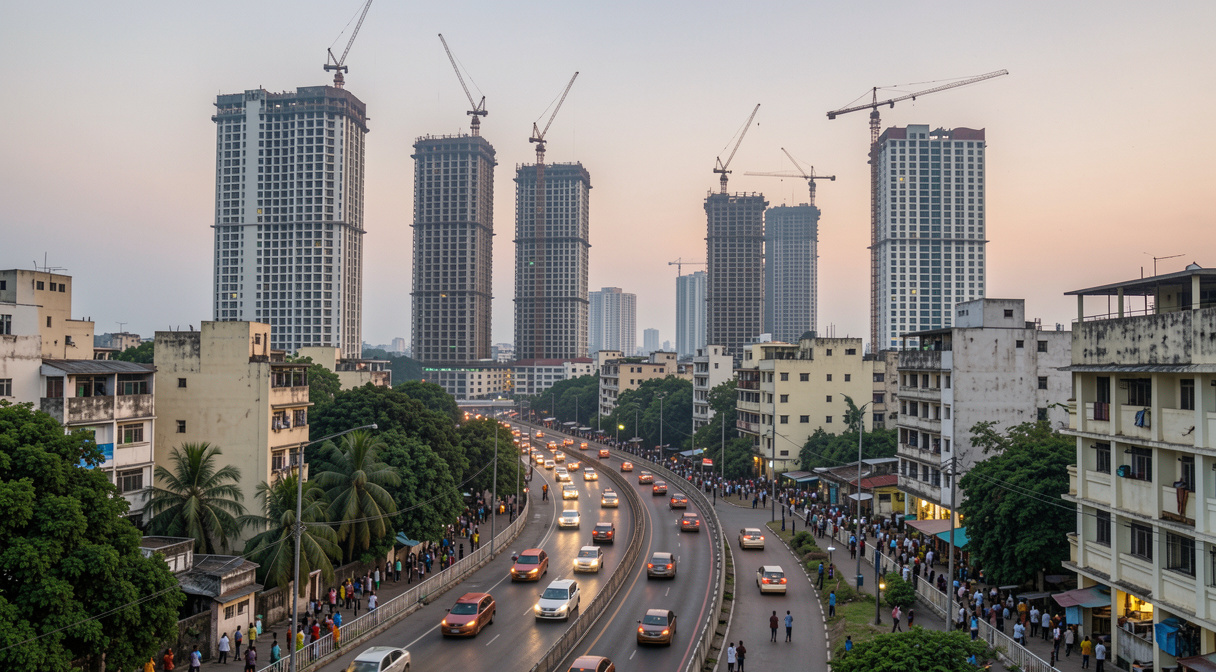
Mumbai & NCR: Housing Affordability Drops Despite Lower Loan Rates
Real Estate Mumbai
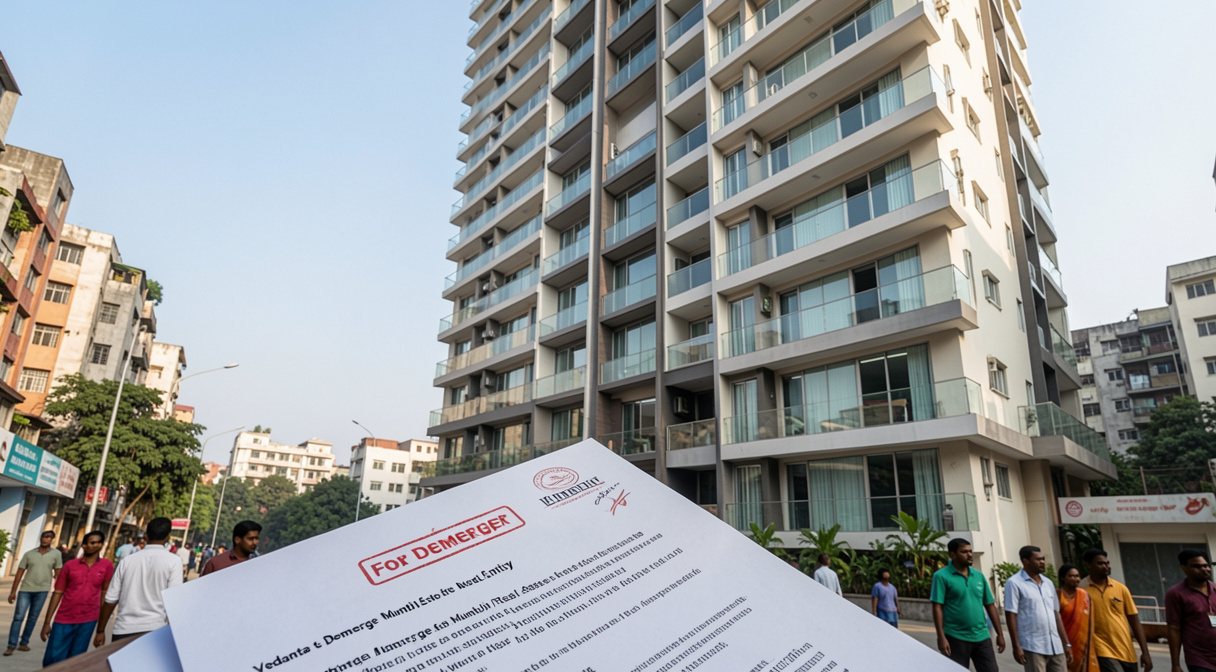
Vedanta to Demerge Mumbai Real Estate Assets Into New Listed Entity
Real Estate Mumbai
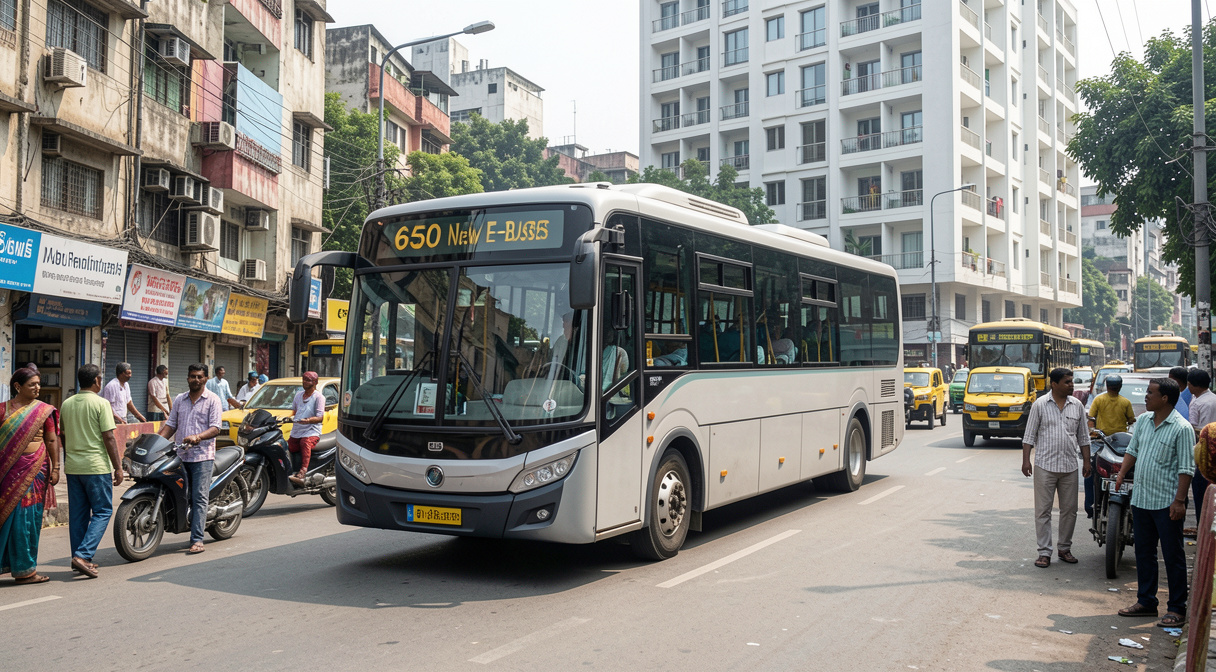
Mumbai & Pune Get 650 New E-Buses: What It Means for Property
Real Estate Mumbai
