
Real Estate
RBI Hikes Repo Rate: EMI Up, Maharashtra Home Loans Cost More
By GeoSquare News Desk · Published 2026-10-08
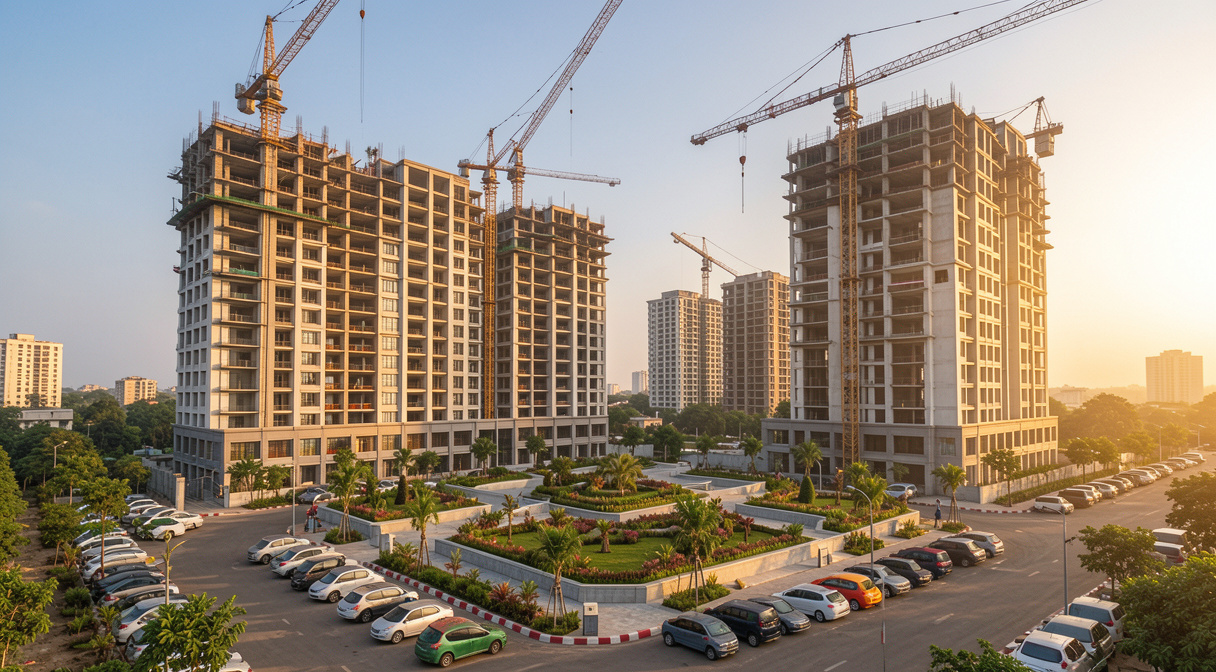
The Reserve Bank of India's Monetary Policy Committee (MPC) raised the repo rate, tightening credit conditions for borrowers at a time when housing demand across Maharashtra remains firm in metros such as Mumbai, Pune, Thane and Nagpur. The rate decision, driven by an improved growth outlook, now feeds directly into floating-rate home loans sanctioned by banks and housing finance companies (HFCs).
Repo rate and what it means for home loan EMIs
Banks typically reprice floating-rate loans quickly after a repo rate change, since most loan contracts carry a reset clause linked to the policy rate or the MCLR. For a borrower with a ₹50 lakh home loan at a floating rate of roughly 8.5% and a 20-year tenure, even a 25 basis point rise adds about ₹800–₹900 to the monthly EMI, with the cumulative interest paid rising by over ₹2 lakh across the tenure. New applicants will also face slightly higher eligibility margins, which can trim the loan amount sanctioned for a given income.
GDP growth forecast raised to 7.1%
The central bank raised its GDP growth projection to 7.1%, a signal that the domestic economy is expected to absorb tighter monetary conditions without a meaningful slowdown. Sustained urban employment, steady remittance inflows and infrastructure spending in Maharashtra's key corridors are expected to keep housing absorption healthy, even as borrowing costs rise.
Impact on Maharashtra's housing market
Analysts see the rate increase nudging some first-time buyers into a wait-and-watch mode for a quarter, particularly in the ₹80 lakh to ₹1.5 crore mid-segment where EMI sensitivity is highest. Luxury and ready-to-move inventory, where buyers are less dependent on loans, is likely to stay resilient. Developers in Pune and Mumbai's extended suburbs have responded by widening the payment-plan window, offering higher construction-linked instalments and, in some projects, assured rental income or subvented interest for a limited period.
What buyers and investors should consider
For prospective home buyers, the practical checklist is straightforward: compare loans on the effective interest rate and not just the headline rate, prefer a shorter reset interval to avoid sudden EMI jumps, and keep a six-month EMI buffer as a rate cushion. For investors, focus on projects with clear approvals, strong pre-leased demand in office and warehousing belts such as Chakan, Talegaon and Panvel, and developers with a credible construction track record.