
Real Estate Mumbai
Tata Innovation City: What It Means for Navi Mumbai Housing
By GeoSquare News Desk · Published 2026-10-09
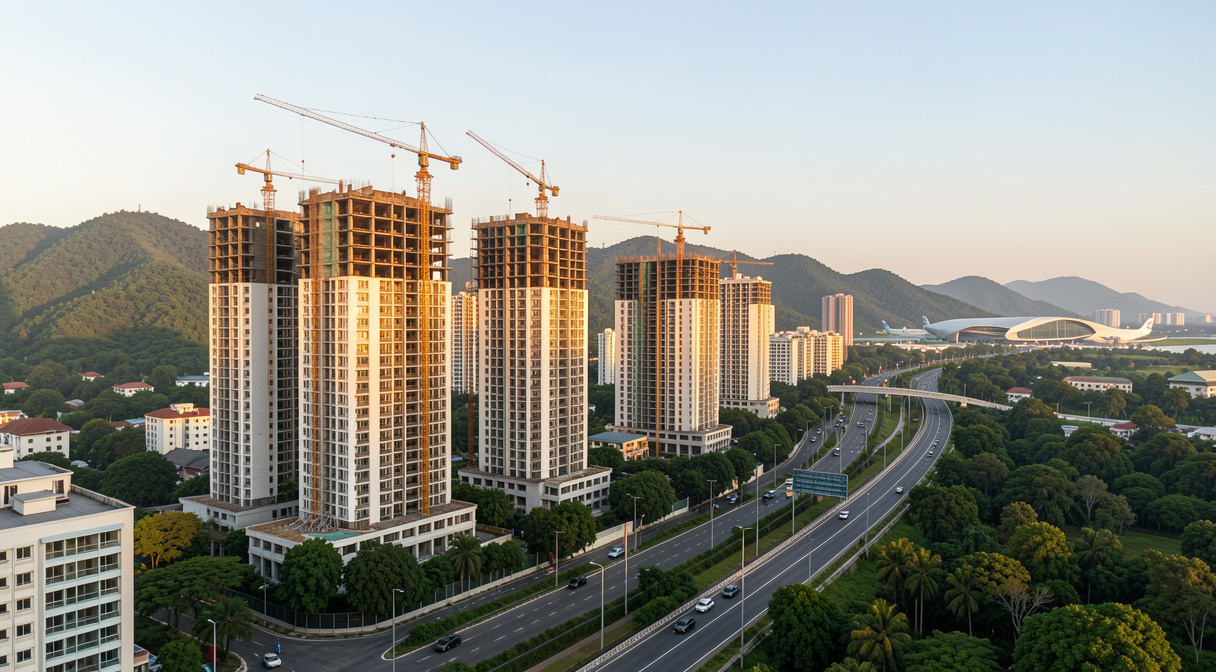
The proposed Tata Innovation City — a 300-acre technology hub with an investment pegged at around USD 11 billion — is being planned near the upcoming Navi Mumbai International Airport (NMIA). Envisioned to host AI data centres, high-performance computing facilities and research campuses, the project adds a clear employment-led trigger to Navi Mumbai's housing story.
Employment as the demand engine
Large technology campuses historically pull housing demand within a 10–15 km radius, and Navi Mumbai's Panvel, Ulwe, Kharghar and Taloja belts stand to benefit first. Early absorption in such corridors is typically driven by end-users working in the new hub, followed by investor interest once connectivity is proven on ground.
Infrastructure stacking up
The region is already seeing a convergence of projects: the NMIA, the Mumbai–Pune Expressway link, the Harbour Line and Trans-Harbour rail extensions, and planned road upgrades. This stacking effect tends to compress travel times and widen the effective catchment for residential launches across nodes like Panvel, Ulwe and Kalamboli.
Impact on pricing and supply
Developer launches in these micro-markets have been concentrated in the ₹45 lakh to ₹1.2 crore bracket, with the premium segment growing near the airport zone. While an announcement of this scale can lift sentiment and land values ahead of actual delivery, buyers should weight execution timelines and social infrastructure before committing.
What buyers and investors should watch
Track land acquisition progress, approved master plans, and hiring announcements from anchor tenants, as these determine the real pace of housing absorption. Rental demand usually follows job creation, so micro-markets with completed metro or rail links are likely to see steadier appreciation than purely speculative pockets.