
Real Estate Mumbai
Mumbai Housing Affordability Crisis: Young Buyers Priced Out
By GeoSquare News Desk · Published 2026-11-03
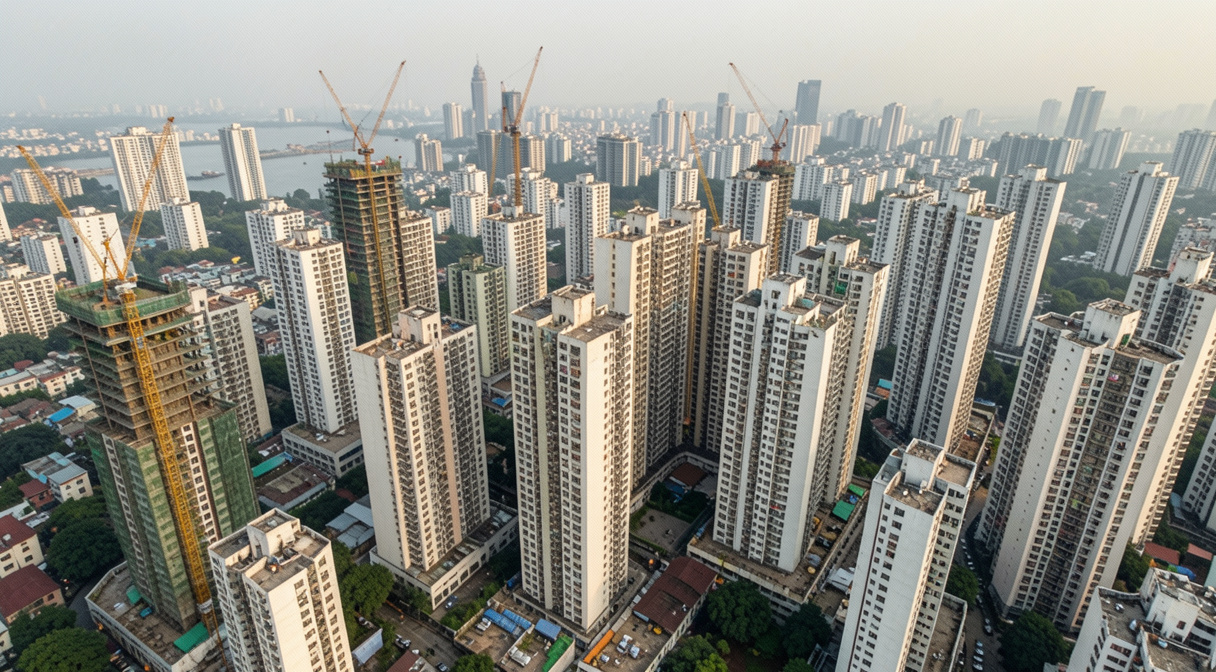
Mumbai's real estate market is facing a severe affordability crisis, with even well-earning young professionals finding it impossible to buy homes. Industry experts point to a combination of soaring land prices, escalating construction costs, and heavy government levies as the primary culprits, pushing property prices far beyond the reach of the city's aspiring homeowners.
Key Drivers of Unaffordability
The cost of land in Mumbai has skyrocketed, accounting for a major chunk of the final property price. Limited availability of land, coupled with high demand, has created a supply-demand mismatch that drives prices upward. Additionally, construction costs have risen due to increased prices of raw materials like steel and cement, along with higher labour expenses.
Government levies, including stamp duty, registration charges, and GST, further inflate the total cost. These charges can add up to 20-30% to the base price, making it even more difficult for young buyers to enter the market. The cumulative effect is that even those with stable, well-paying jobs are forced to either rent indefinitely or look beyond Mumbai for affordable options.
Impact on Maharashtra's Property Market
The crisis is not just limited to Mumbai but has ripple effects across Maharashtra. As young buyers are priced out of the city, demand is shifting to peripheral areas like Thane, Navi Mumbai, and even Pune. This has led to a rise in property prices in these regions, but it also highlights the urgent need for affordable housing solutions within the state.
Developers are increasingly focusing on luxury and premium projects, which yield higher margins, further neglecting the mid-income and affordable segments. This trend exacerbates the housing shortage for the majority of the population, particularly the youth who are the future of the state's workforce.
What Needs to Change?
Industry stakeholders are urging the government to rationalise stamp duty and other levies, streamline approval processes to reduce project delays, and incentivise developers to build affordable housing. Additionally, increasing the supply of land through better urban planning and transit-oriented development could help ease the pressure on prices.
Until such measures are implemented, the dream of owning a home in Mumbai will remain elusive for many young professionals. For now, the market continues to cater to the affluent, leaving a vast segment of the population struggling to find a foothold in the city's property landscape.